Ant Control in Salt Lake City, UT
Inspection-led ant extermination for kitchens, bathrooms, yards, and carpenter ant activity
Inspection, Treatment Planning, and Prevention

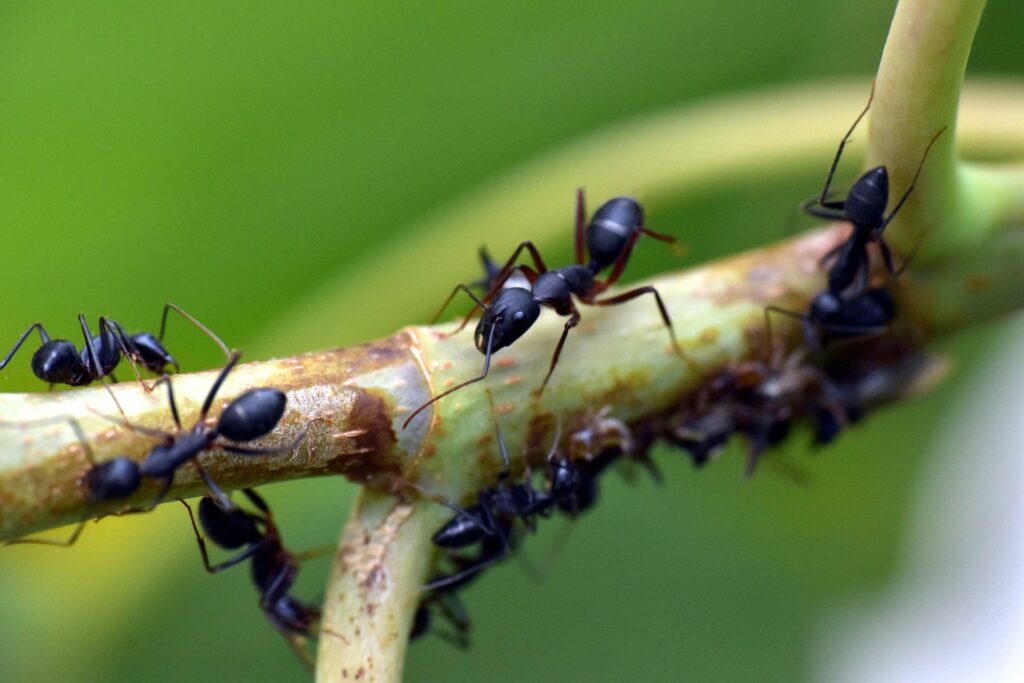
Inspection and Treatment
Inspection-Led Service
Get an Ant Inspection Before the Colony Spreads
Ants can look like a small nuisance at first, but a few trails in the kitchen, bathroom, pantry, or yard often point to a larger colony nearby. Professional pest control in Salt Lake City matters because the right treatment depends on the ant species, where the colony is nesting, and how ants are entering the home.
Salt Lake homeowners usually call for ant control when they are dealing with one or more of these problems:
- Spread Illnesses
Ants love the kitchen for a reason. There’s a lot of food to go around. As ants rummage through your food, they may contaminate it and spread foodborne illnesses to you and your family.
- Damage Home & Yard
One type of ant — the carpenter ant — chews through wood to create nests inside. Similar to termites, they often target the structural wood in the home and can cause severe damage. Other types of ants that live in mounds underground can kill the roots of grass or dry the soil out, killing plants in the yard.
Our Salt Lake City Ant Control Process
Our Salt Lake City Ant Control Process
Ant Inspection
Ant control starts with finding the source, not just treating the ants you can see. During the inspection, our technician looks for ant trails, nesting areas, moisture sources, food access, and entry points around kitchens, bathrooms, foundations, windows, patios, and landscaping.
During an inspection our team may:
- Identify the ant species and visible activity areas inside and outside the home.
- Trace trails to likely entry points, including foundation cracks, gaps around doors and windows, utility penetrations, and landscaping contact points.
- Look for nesting conditions such as excess moisture, wood damage, food residue, or yard activity.
That information supports a targeted treatment and monitoring recommendation for the property.
Apply Ant Removal Treatments
Depending on the ant species and where activity is found, we build a treatment plan for the colony instead of relying on surface-level spray alone. This may include the following:
- Targeted interior or exterior treatments around active trails, entry points, and nesting areas
- Strategic bait placements when baiting is the right fit for the species and infestation pattern
- Carpenter ant control recommendations when wood damage, moisture, or structural nesting signs are present
The goal is simple: reduce the colony, interrupt the trails, and give you a clear next step if ant activity continues after treatment.
Ant Prevention Recommendations and Monitoring
Ants can return when the food, water, and entry points that attracted them are still available. Prevention is part of the service conversation, especially for recurring kitchen ants, bathroom ants, pavement ants, and carpenter ants.
We help reduce future ant pressure with practical recommendations such as:
- Treating exterior pressure points where ants are trailing or entering
- Recommending simple exclusion steps, food storage improvements, moisture fixes, and sanitation changes
- Watching for recurring activity so follow-up service can focus on the real source instead of guessing
We’ve all seen ants running around outdoor trails and parks, but many people don’t know that there are several ant species in Salt Lake area. Each one has its own habits, from what it eats to where it lives. The most common ants in the Wasatch Front are:
- Carpenter ants – These large black ants with wings are likely to be carpenter ants. Ants with wings are often mistaken for termites due to their similar appearance
- Harvester ants– These gatherers are famous for collecting seeds and creating well-defined foraging paths.
- Pavement ants– True to their name, they thrive in urban settings, nesting under pavements and sidewalks.
- Field Ants – Preferring the outdoors, they construct nests in lawns and are frequent visitors inside homes in search of sustenance.
- Velvety Tree Ants: These arboreal ants favor tree canopies and are often spotted on tree barks.
- Sugar Ants: Little black ants, also known as sugar ants or tiny black ants, are a common type of ant species. They are typically small, dark brown to black in color, and are attracted to sweet food sources.
- Odorous Ants: Recognizable by the unpleasant odor they emit when crushed, they are persistent household pests.
Professional Ant Control in Salt Lake County
If you are seeing ant activity, call to request an inspection. We will review the visible trails, likely nesting areas, access points, and property conditions, then explain the proposed treatment and monitoring plan.
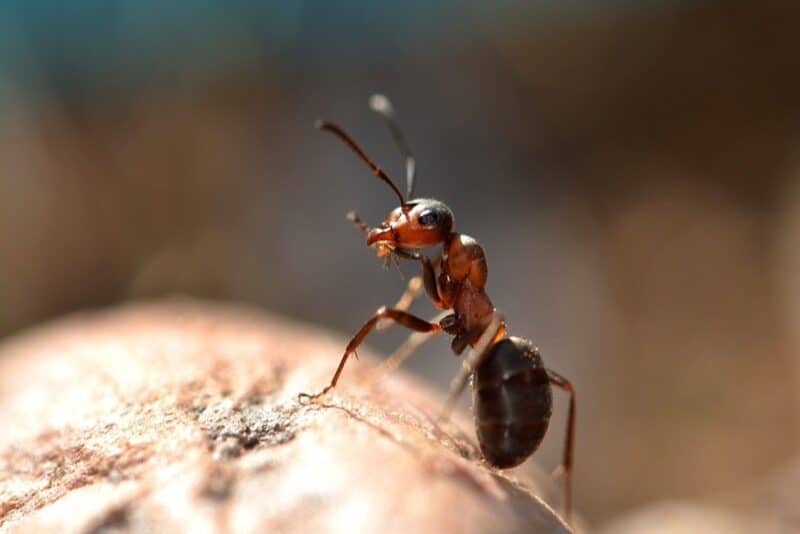
How To Get Rid of Ants
Visible ants may be foragers connected to a colony inside or outside the structure. Identification matters because treatment placement and method vary by species and activity pattern.
Inspection follows trails, food and moisture sources, entry points, and possible nesting areas. The resulting plan may include targeted baits or treatment plus sanitation, moisture, storage, and exclusion recommendations.
How To Treat an Ant Sting or Bite
Fire ants and harvester ants are known to sting if they feel threatened. Most people don’t realize they’ve disrupted a fire ant colony until they are being stung repetitively. These stings can be painful and can cause a burning sensation, redness, swelling, and itching.
If you or a loved one has been stung or bitten by an ant, refrain from itching the sting site and wash the area with soap and water. Applying ice to the area or a topical cream can help reduce pain. If the person (or animal) is experiencing an allergic reaction, such as extreme swelling, nausea, or difficulty breathing, seek medical attention immediately.
If the bite or sting turns into a blister, do not pop it, since this can lead to an infection. Instead, keep the area clean and covered with a bandage.
Remember, using an ant repellent can keep ants away, and if you have a serious ant problem, consider calling an ant exterminator for fire ant control.
What Do Ants Eat?
Ants eat just about anything. But they do have some preferences. For starters, they love sugary foods, which is why they always seem to appear after a sugary drink is spilled. In nature, they find this sugar in flower nectar and a substance called honeydew from aphids.
Ants also like greenery. They eat leaves, flowers, and grass, as well as seeds and grains. Ants occasionally eat other insects or animals, too. They’ve been known to eat spiders and ticks, for example.
The most important resource for them, however, is water. Many people find ants in their bathroom or kitchen for this reason.
Do Ants Bite?
Yes, ants do bite — at least some species do. The main biters are fire ants, velvet ants, field ants, and harvester ants, and all of those can be found in Utah. Ants don’t usually bite unless disturbed, so it’s not very common to experience an ant bite. Their bites usually feel like a small pinch, but they can still cause severe health problems, including allergic reactions.
The bites from fire ants can be particularly painful because they usually follow the bite with a sting.
What Do Carpenter Ants Look Like?
Carpenter ants are one of the most destructive ant species out there. They build their nests inside of wood, and they chew tunnels in the wood in order to access these nests. As you can imagine, these tunnels are not good for the structural integrity of the wood.
Carpenter ants are one of the largest ants in Utah, and they are usually a black or dark red/brown color. Some types of carpenter ants, called the swarmers, have wings — which is another great way to identify a carpenter ant. They have antennas, a wide, round thorax, and a slim waist.
They also shed their wings, which means that if you find wings around the home, you may have a carpenter ant problem. Other signs to look out for are piles of wood shavings around wooden areas, like baseboards.
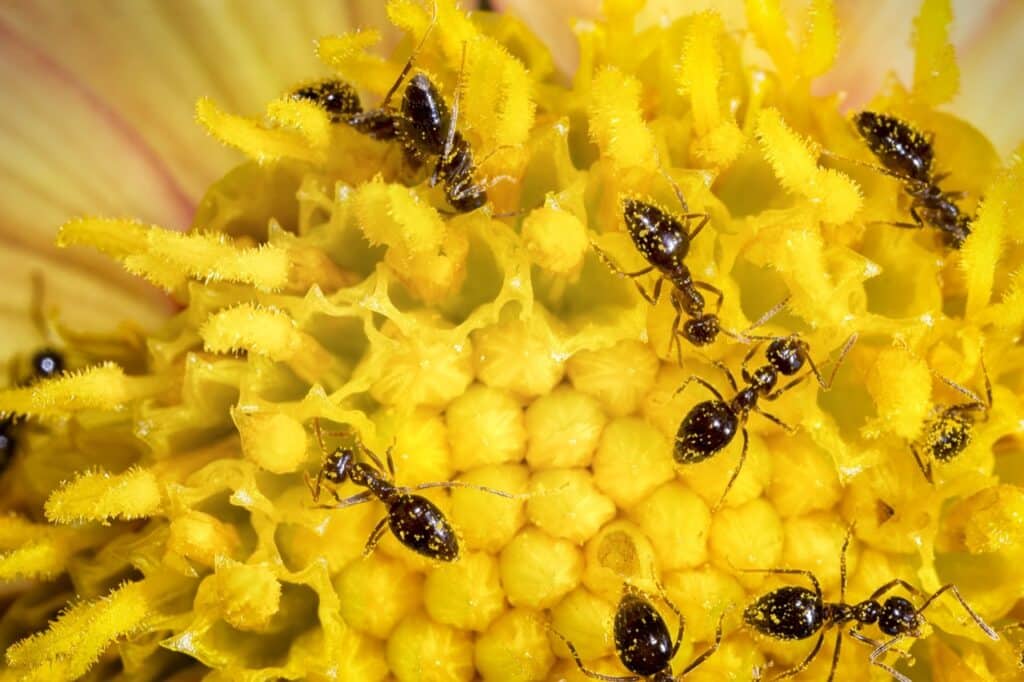

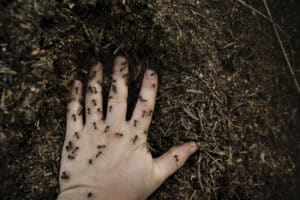
Ant Exterminator Help for Salt Lake City Homes
Salt Lake City ant problems are not all the same. Some start with pavement ants trailing in from cracks near the driveway. Others show up as tiny ants around sinks, pet food, or pantry shelves. Carpenter ant activity can point to moisture or wood issues that need closer inspection. A focused ant control visit helps identify the type of activity, treat the right areas, and connect this page with related help for tiny red ants, carpenter ants, and broader Salt Lake pest control.

Inspection and Treatment
Our Approach
Ant Control That Starts With the Source
Ant problems get frustrating when treatments only chase the ants you can see. Our approach is to inspect first, identify the likely colony source, choose a treatment that fits the ant species, and explain what you can do to reduce the conditions that keep ants coming back.
If you are seeing ants in the kitchen, bathroom, basement, yard, or near wood trim, schedule an inspection so the next step is based on the actual activity in your home.