Inspection, Treatment Planning, and Prevention
Inspection and Treatment
Inspection-Led Service
Don't Let those Little Bugs Ruin Your Day
Wasps are little pests that can ruin your day through their painful sting. Unfortunately, like most pests, they’re also quite challenging to get rid of. But, it is important to get rid of, nonetheless before they become a big problem. If left untreated, they could lead to some serious problems.
- Harmful Sting
Wasps have a very harmful sting that can cause pain and swelling. In some cases, it can even cause anaphylactic shock, which can be fatal. If allergic to wasps, it’s important to seek medical attention immediately if you are stung.
- Painful Bite
Most wasps are predators that feed on other insects. They usually sting humans but can also bite if they feel threatened. They are territorial and will attack if they feel threatened.
How Do We Exterminate Wasps
Wasp Inspection

Discovering a wasp nest can be unsettling. Inspection-led service starts by reviewing the reported activity and the accessible areas around the structure.
During the inspection, we may:
- Identify visible wasp activity and the species when possible.
- Review active areas around eaves, fences, sheds, rooflines, and other protected surfaces.
- Look for access points and property conditions related to the activity.
- Locate accessible nests and assess the treatment area.
We use those findings to explain the recommended treatment and any monitoring or prevention steps for the property.
Wasp Treatment
The treatment recommendation depends on the species, nest location, access, activity level, and conditions around the work area.
- Locate activity: Inspect visible flight paths and likely nesting areas.
- Set the scope: Explain the areas and nest included in the proposed treatment.
- Plan follow-up: Recommend monitoring or additional service when activity or access conditions warrant it.
Wasps can create recurring activity around protected surfaces and old nesting areas. Prevention recommendations depend on the species, nest location, access, and conditions found during inspection.
- Routine inspections: Check common nesting areas for new activity.
- Targeted treatment: Address nests and active zones identified at the property.
- Property guidance: Explain practical changes that may reduce attractive nesting conditions.
Wasp Varieties in Salt Lake City
While bees and wasps may seem similar at a glance, they have distinct differences. Bees are generally less aggressive and can sting only once, which is fatal for them. In contrast, wasps can sting multiple times and tend to be more aggressive. With this in mind, let’s explore wasp species found around Salt Lake City:
- Black Wasps: These solitary wasps have dark coloration.
- Tarantula Hawk Wasps: These wasps prey on tarantulas for their larvae and are known for a painful sting.
- Paper Wasps: These wasps construct exposed paper-like nests on protected surfaces.
- Yellowjackets: These social wasps can become defensive when a nest is disturbed.
- Other social wasps: Colony behavior and nest location affect the inspection and treatment recommendation.

Inspection-Led Wasp Control in Salt Lake City
Wasp treatment depends on the species, nest location, access, activity level, and conditions around the work area. We explain the proposed scope before service begins.
How Do Wasps Get in Your Salt Lake City Homes?
Wasps are attracted to food sources, such as garbage cans, pet food, and fruit trees. They are also attracted to areas with a lot of activity, such as nearby pools, patios, and decks. Also, colorful flowers and bright-colored decorations can attract wasps to your property. They can enter through cracks and crevices in your home or through open doors and windows. Once they’re inside, they will build their nests in secluded places, such as attics, crawl spaces, and behind walls.
How Do I Know if I Have a Wasp Problem?
Signs to monitor include repeated flight into an opening, visible nest material, activity around eaves or ground openings, and recurring wasps around a protected surface.
If you notice those signs, avoid disturbing the nest and call to discuss an inspection and treatment scope.
What are the signs and symptoms of a wasp sting?
A wasp sting can be painful and cause swelling, itching, and redness. Some people may also have an allergic reaction to wasp stings, which can be life-threatening. Signs and symptoms of a severe allergic reaction (anaphylaxis) include difficulty breathing, hives, and swelling of the face, lips, or throat. If you experience any of these symptoms after being stung by a wasp, seek medical attention immediately. In most cases, wasp stings can be treated at home using antihistamines and cold compresses to reduce pain and swelling. However, if you have a severe allergic reaction, you will need to be hospitalized for treatment with epinephrine and other medications.
Does killing wasps attract more?
Disturbing a wasp can trigger defensive behavior, and some wasps release chemical signals that affect nearby colony members. Avoid disturbing an active nest and request an inspection when the nest location or activity creates a concern.
Service begins with an inspection of the reported activity. We identify relevant conditions, explain the proposed treatment scope, and recommend practical monitoring and prevention steps for the property.
What to do when a wasp is near you?
If you see a wasp near you, it’s important to stay calm. If you panic, you could end up getting stung. Slowly back away from the wasp and cover your face as much as possible. Once you’re far enough away, the wasp will likely fly away. Wasps sting only when they feel threatened, so as long as you’re not acting aggressively, you should be fine.
Types of wasps in Salt Lake City

Bald-faced hornets
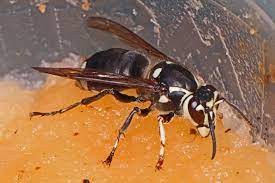
They are not true hornets. They are aerial nesting yellow jackets. Adult of this kind looks very similar to yellow jackets. The queen is 3/4" long, and 1/2" are the workers. Their egg-shaped nest can be up to 2 feet long and often found in trees or large bushes at least 3 feet from the ground. They are not as aggressive as other yellowjackets but will sting if necessary.
Yellow jackets
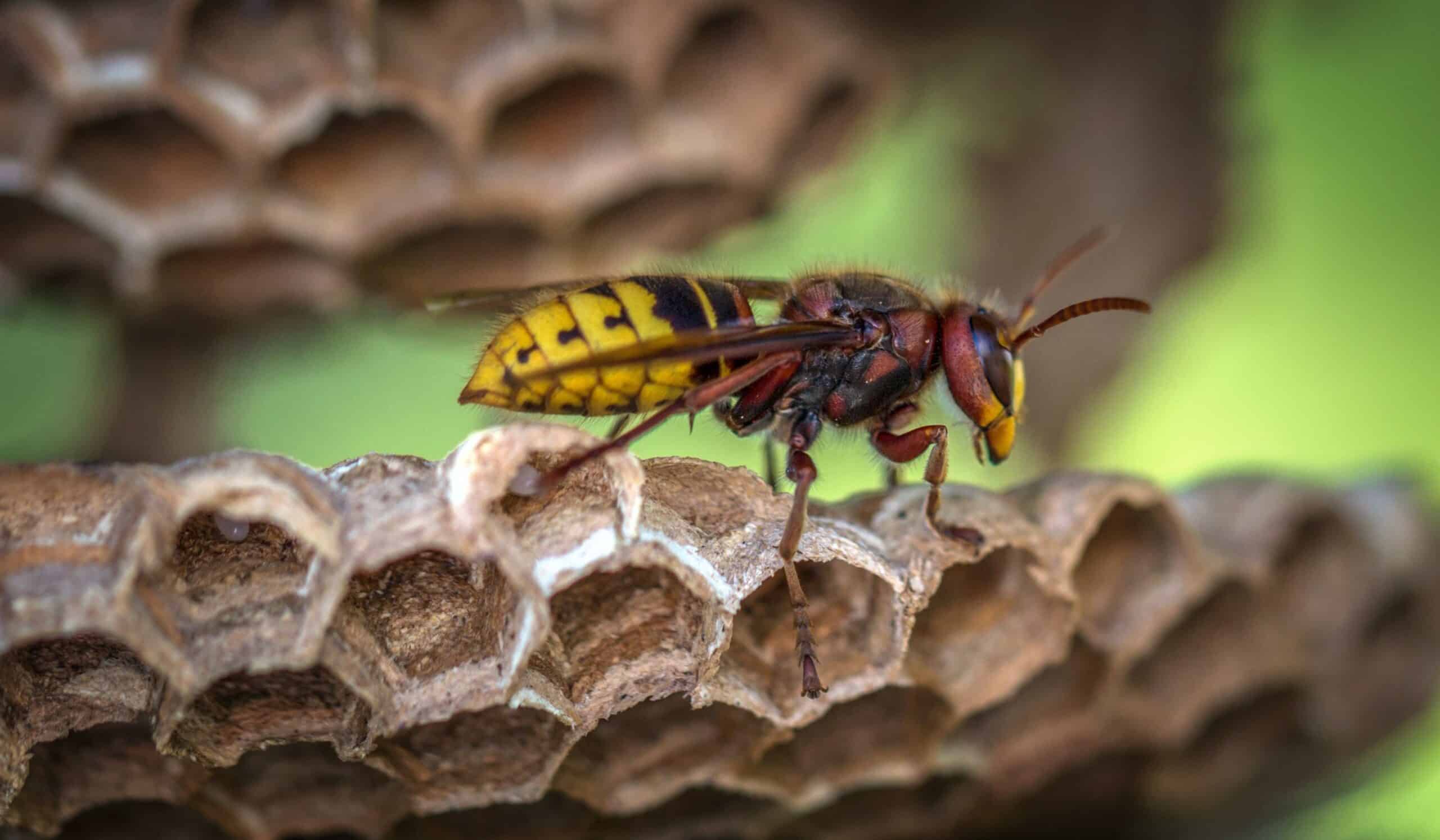
Yellow jackets are one of the most aggressive types of wasps. They are attracted to sweet foods and usually found near picnic areas and garbage cans. They will sting if they feel threatened or if their nest is disturbed.
Paper wasps
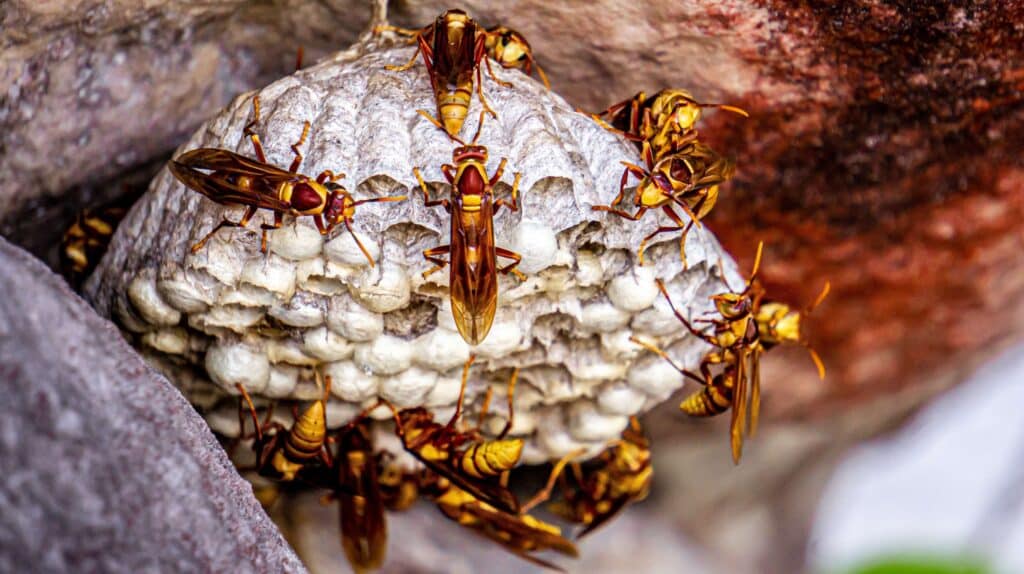
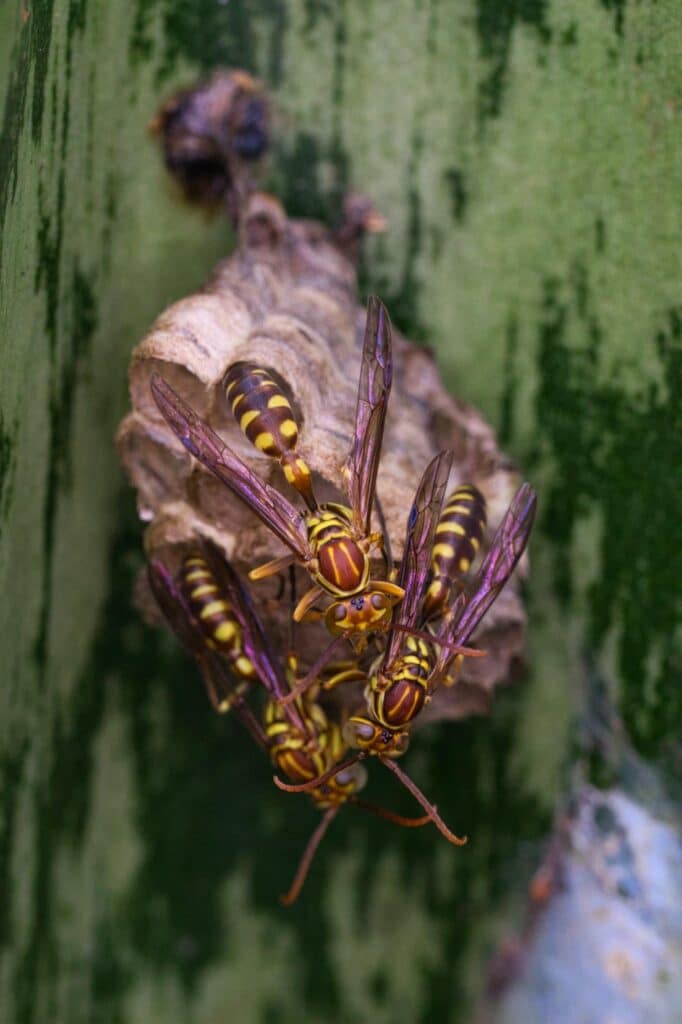
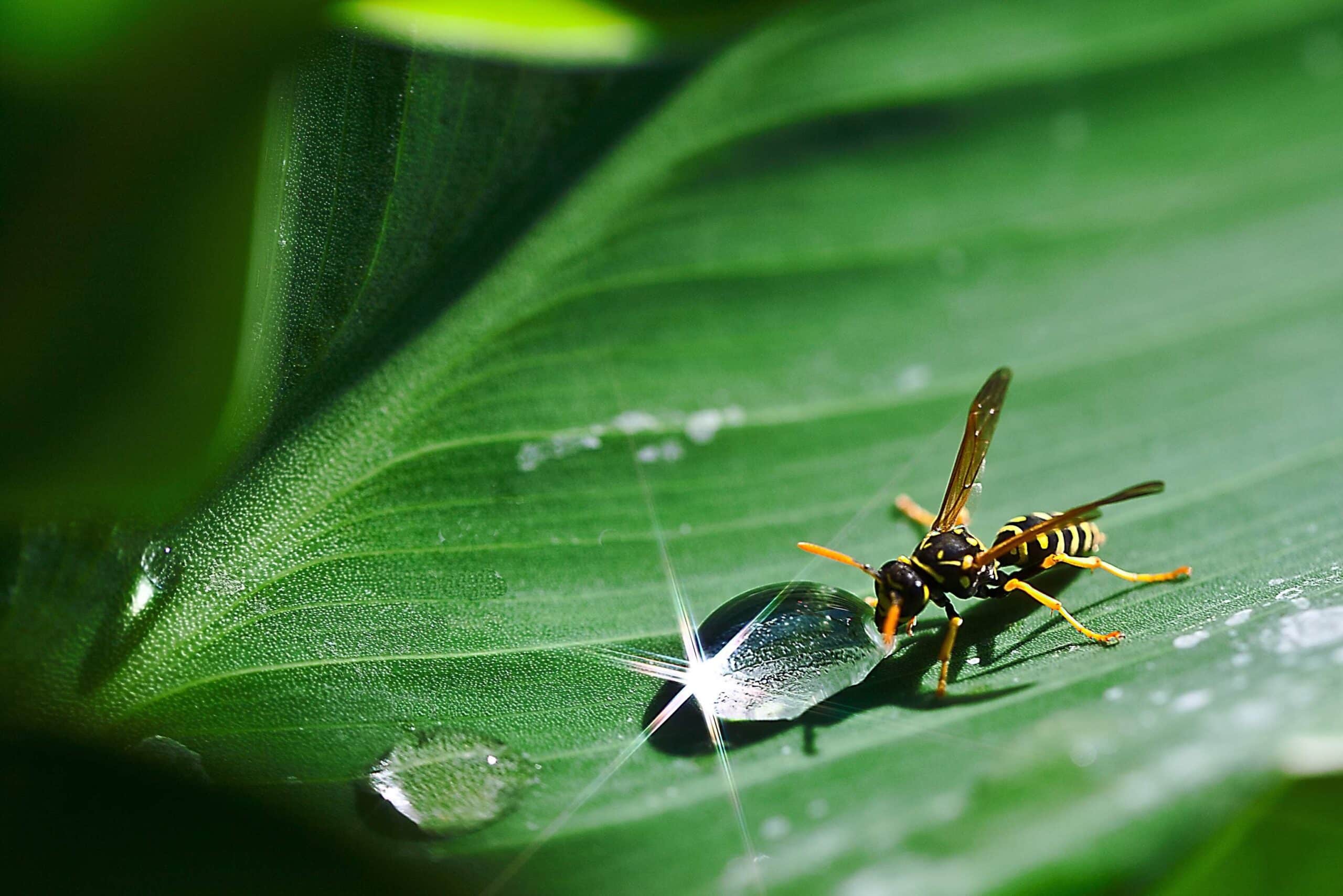
Paper wasps have a very distinct waist and are hairless. They are typically brown, orange, or red with a yellow or black band. Their nests are commonly hanging from eaves, porches, and trees. Paper wasps are not aggressive, as yellow jackets will not sting easily

Inspection and Treatment
Service Process
Inspection-Led Pest Control
Follow-up recommendations depend on the pest, activity level, property conditions, and service plan discussed with the customer.