Bed Bug Treatments In
Salt Lake City, UT
Inspection-Led Bed Bug Treatment Planning
Inspection, Treatment Planning, and Prevention
Inspection and Treatment
Inspection-Led Service
Say Goodbye to
Pesky Bed Bugs
The thought of having bed bugs can make your skin crawl — quite literally. If you are dealing with a bed bug infestation, you know just how itchy and annoying they can be.
These tiny critters can turn restful nights into restless ones with their irritating bites. They’re not just a nuisance; they spread quickly, making your home their home. Some of the negative side effects of these bugs are:
- Painful, Itchy Bites
Bed bug bites often cause a burning, painful sensation, and their bites can become swollen and irritated. Plus, there likely will be more than one bite to deal with. Bed bugs usually live in groups, so you’ll have multiple pests feeding on you at night.
- Allergic Reaction
For some people, bed bug bites can cause more serious problems, even life-threatening reactions. Those who are allergic to bed bugs can experience blisters, a fever, a swollen tongue, and difficulty breathing. They may need to seek medical attention.
Our 3-Step Bed Bug Removal Process
Bed Bug Inspection
Bed bugs can be difficult to spot and may be present in more than one sleeping or resting area. An inspection helps define the visible evidence and the areas that should be included in the treatment plan.
During the inspection, we may:
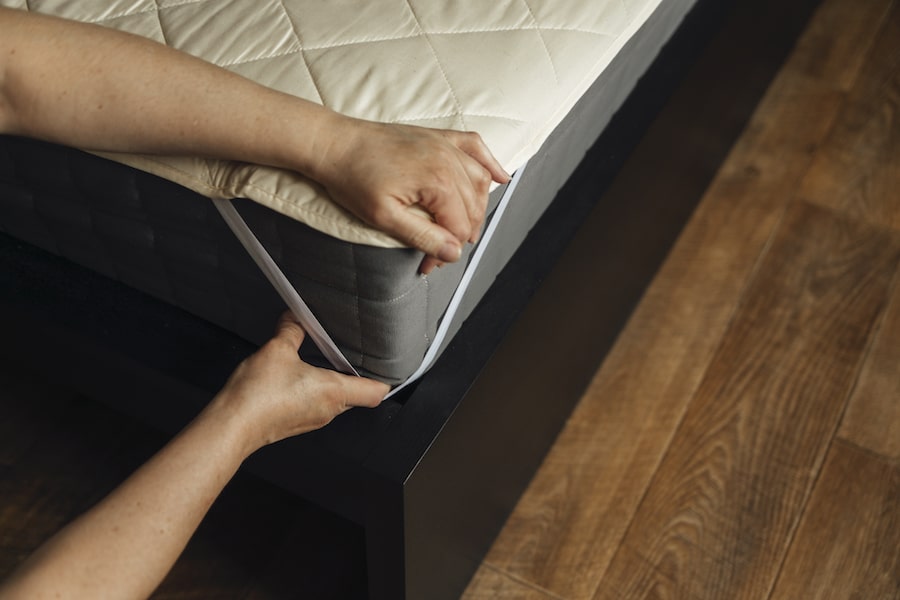
Check accessible mattress, cushion, frame, and furniture seams for visible signs.
Review nearby carpet edges, baseboards, and other relevant areas.
- Discuss where activity has been noticed and any preparation or access requirements.
We use the inspection findings to recommend a treatment scope and explain the monitoring or follow-up steps appropriate to the property.
Bed Bug Treatment
The treatment scope follows an inspection of sleeping, resting, and nearby areas where signs or activity may be present.
- Preparation: We explain access and preparation requirements before service.
- Targeted treatment: Service is applied to the areas included in the agreed plan.
- Monitoring: We explain what to watch for and whether another inspection or treatment step is recommended.
Bed Bug Monitoring and Prevention
Monitoring and prevention recommendations depend on the inspection findings, treatment plan, and how the affected spaces are used. Recommendations may include:
- Follow-up inspection of included areas when activity or visible signs continue.
- Preparation, laundering, storage, or access steps discussed for the treatment plan.
- Practical guidance for inspecting luggage, used furniture, and other common transfer points.
Bed Bug Control in Salt Lake City, UT
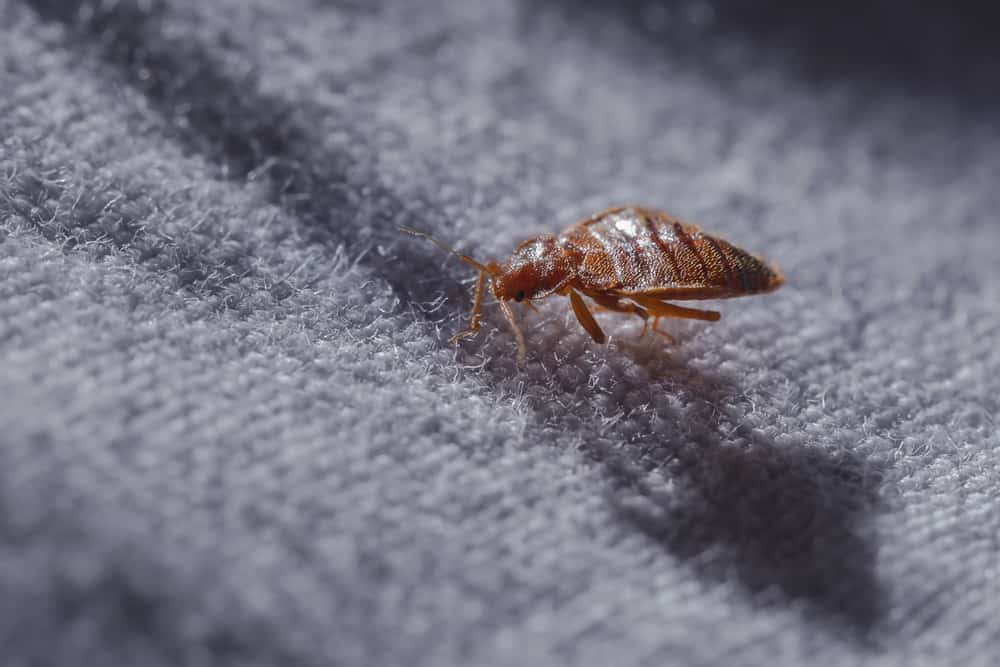
Salt Lake City is not only famous for its Great Salt Lake but also for the pesky bed bugs that inhabit the area. These tiny insects, similar in size to an apple seed, feed on human blood and are excellent at concealing themselves in homes and businesses. Although they don’t transmit diseases, their bites can cause itching and irritation.
For Salt Lake City residents, early detection is key. Watch for signs like bite marks or small blood spots on bedding. If you suspect an infestation, it’s essential to contact a professional exterminator promptly. Preventive measures include inspecting luggage and second-hand furniture and maintaining cleanliness to deter these unwelcome guests. Acting quickly can save you from the stress and discomfort of a full-blown bed bug problem.

Professional Bed Bug Removal in Salt Lake City
At Salt Lake Pest Control, service begins with an inspection of the reported activity and relevant sleeping, resting, and nearby areas. We use those findings to explain the proposed treatment scope and monitoring steps.
Call us today to schedule a consultation.
What Are Bed Bugs Attracted To?
Since bed bugs feed on the blood of humans and animals, they need to be close to their food sources. And they find these sources by seeking out warmth and carbon dioxide — which is emitted by warm-blooded animals as they breathe.
Despite popular belief, bed bugs are not attracted to dirt or garbage. Anyone and any home, clean or not, can experience a bed bug infestation.
They prefer to feed at night, so they tend to camp out in the places people sleep — hence the name ‘bed’ bugs. But, bed bugs can also be hiding in couches and chairs, or even in furniture, walls, and floors. So long as they have a reliable food source, they will stick around.
What Are the Signs of a Bed Bug Infestation?
If you think you may have bed bugs, look for visible signs in and around sleeping and resting areas:
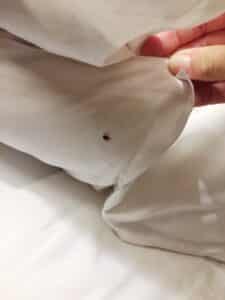
- Small, dark spots or blood spots on bedding or nearby furniture.
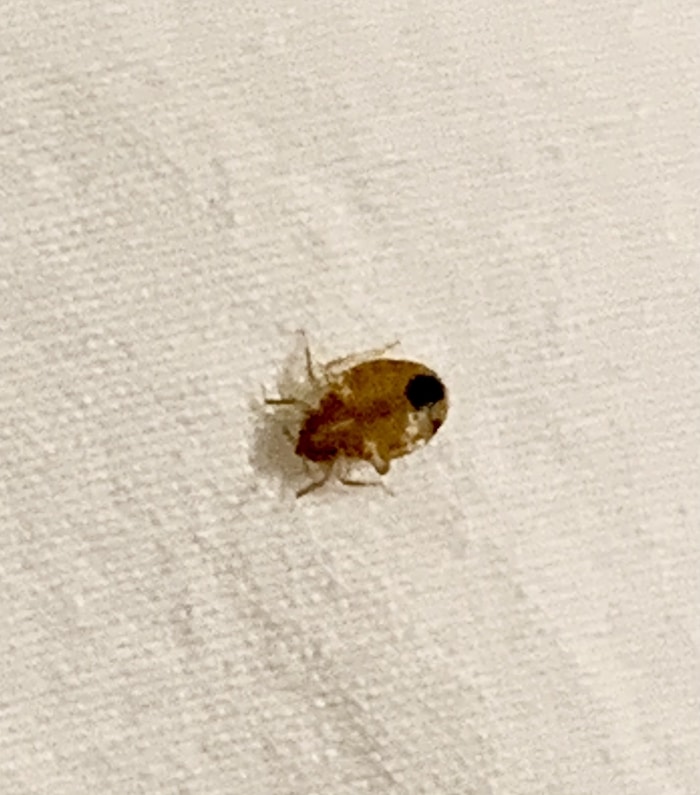
- Live insects, shed skins, or eggs around mattress seams, frames, cushions, and cracks.
- Activity in nearby baseboards, furniture, carpet edges, luggage, or stored items.
If you see possible signs, request an inspection so the evidence and affected areas can be reviewed.
Where Do Bed Bugs Hide During the Day?
Bed bugs are often active at night and hide during the day. Common hiding areas include mattress seams, bed frames, nearby furniture, baseboards, cracks, and other protected spaces close to where people rest.
They may also be carried in luggage, clothing, or used furniture. Monitoring those transfer points and inspecting visible signs can help define when a professional inspection is appropriate.
What Do Bed Bug Bites Look Like?
Bed bug bites are small, red welts that appear in a line or cluster on the skin. They are often itchy and can be accompanied by swelling and inflammation. Bed bugs typically bite humans on the neck, arms, and legs. However, they will bite anywhere on the body if necessary.
Bed bug bites are not dangerous and do not transmit diseases, but some people may be allergic to their bites and can have severe symptoms such as hives or difficulty breathing.
If you think a bed bug has bitten you, it is important to wash the area with soap and water to prevent infection and remove any bed bug saliva that may be present. You should also consult a doctor if you experience severe symptoms.
Inspection and Treatment
Service Process
Inspection-Led Pest Control
Follow-up recommendations depend on the pest, activity level, property conditions, and service plan discussed with the customer.