Spider Control in
Salt Lake City, UT
Spider Activity Around Salt Lake City Properties
Inspection, Treatment Planning, and Prevention
Inspection and Treatment
Inspection-Led Service
Inspection-Led Spider Control
Finding a spider crawling around your home can cause a big fright — especially when you find multiple spiders lurking around. It’s unsettling to say the least.
Some spiders in Utah are dangerous, too. Their bites can have severe side effects on your family and pets. Don’t let spiders turn your home into their hunting ground. If they take over your home, you’re putting your family at risk of:
- Dangerous Bites
Although not all spiders bite, some have venomous bites that may be harmful or even deadly to humans. Bites from Black Widow spiders and Brown Recluse spiders can cause serious problems, including nerve damage, fever, vomiting, and even organ failure.
- Nasty Webs
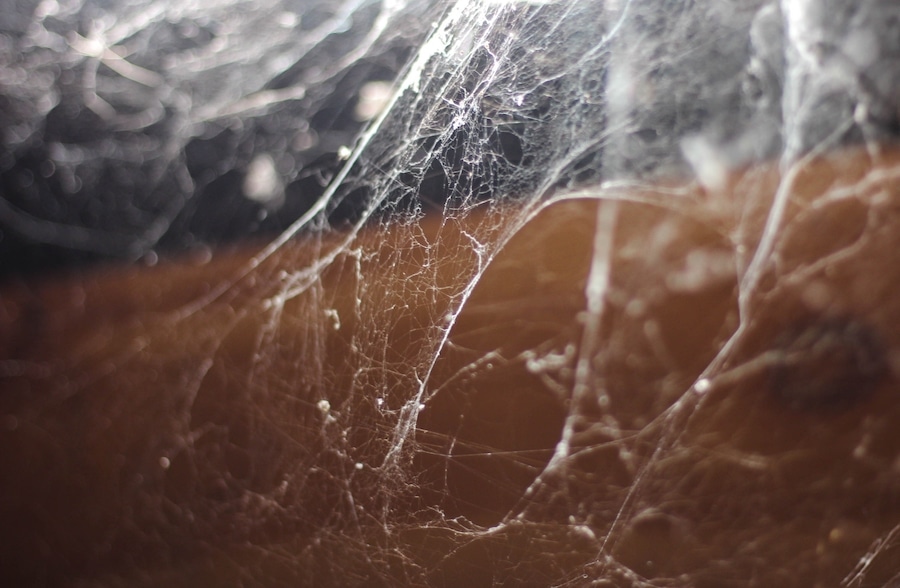
Spiders spin webs to catch their pray and lay their eggs. And they can make their webs quickly. If you have a spider problem, you’ll soon have gross, sticky webs all over your home.
Our 3-Step Spider Extermination Process
Spider Inspection
Spiders can hide in protected areas, and visible activity may return when the insects and conditions supporting them remain present.
Service begins with an inspection of accessible areas related to the reported activity. We identify visible spiders or webs when possible and look for the conditions that may be supporting recurring activity.
The inspection may include:
- Looking for visible spiders, webs, egg sacs, and related insect activity.
- Assessing active areas and likely harborage locations.
- Reviewing entry points such as gaps, cracks, vents, and utility penetrations.
We use those findings to explain a treatment and prevention plan for the property.
Spider Treatment for the Property
Service focuses on the active areas, webs, access points, and insect activity found during inspection.
- Scheduled service: Coordinate access to the relevant interior or exterior areas.
- Targeted treatment: Treat the areas included in the agreed scope.
- Prevention guidance: Discuss entry points, web removal, lighting, and insect pressure that may contribute to activity.
Spider Prevention Recommendations
Prevention work focuses on the access points, insect activity, shelter, and other conditions observed at the property.
Recommendations may include:
- Targeted treatment: Applying the agreed treatment to included areas where activity or supporting conditions are present.
- Property recommendations: Addressing gaps, clutter, lighting, moisture, or other conditions that may contribute to spider activity.
- Monitoring: Watching treated and high-activity areas and discussing another inspection when activity continues.
Discover the Diverse Spider Species of Salt Lake City
Salt Lake City is home to a fascinating array of spider species, each with its unique characteristics and habitats. From the industrious orb-weavers to the elusive tarantulas, these arachnids play a crucial role in the local ecosystem. Here’s a closer look at some of the spiders you might encounter in the region.
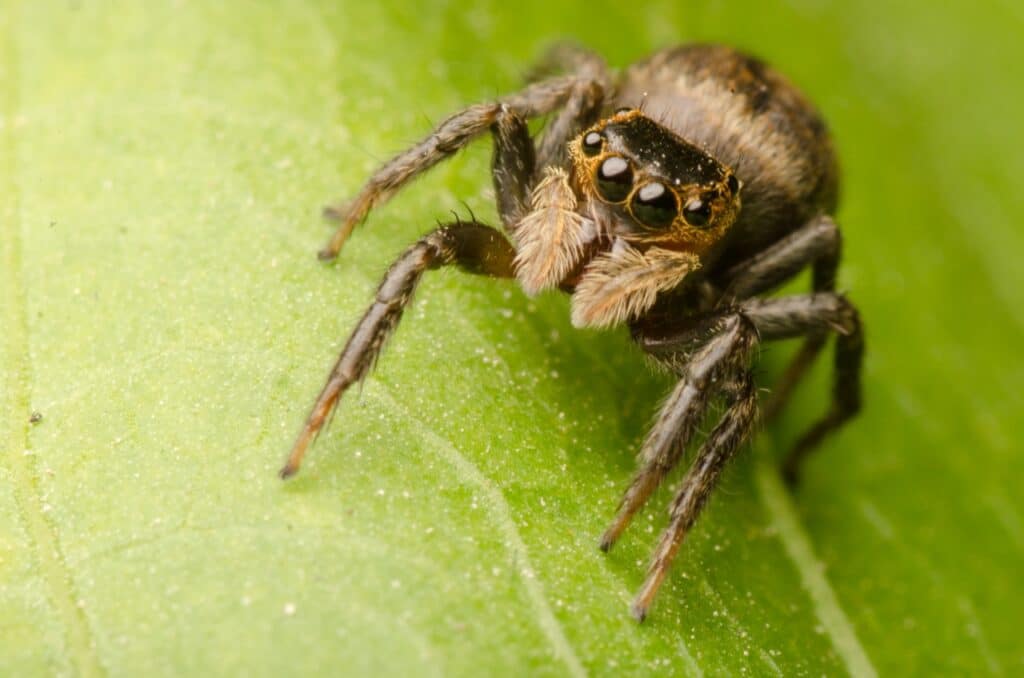
Bold Jumping Spider: Known for their agile movements, the Bold Jumping Spider is a common sight in Salt Lake City. They are recognized by their black bodies with spots that may change from orange to white as they age.
Western Black Widow: Perhaps the most notorious, the Western Black Widow is identified by its shiny black body and the distinctive red hourglass on its abdomen. While their venom is potent, bites are rare and typically occur only in self-defense.
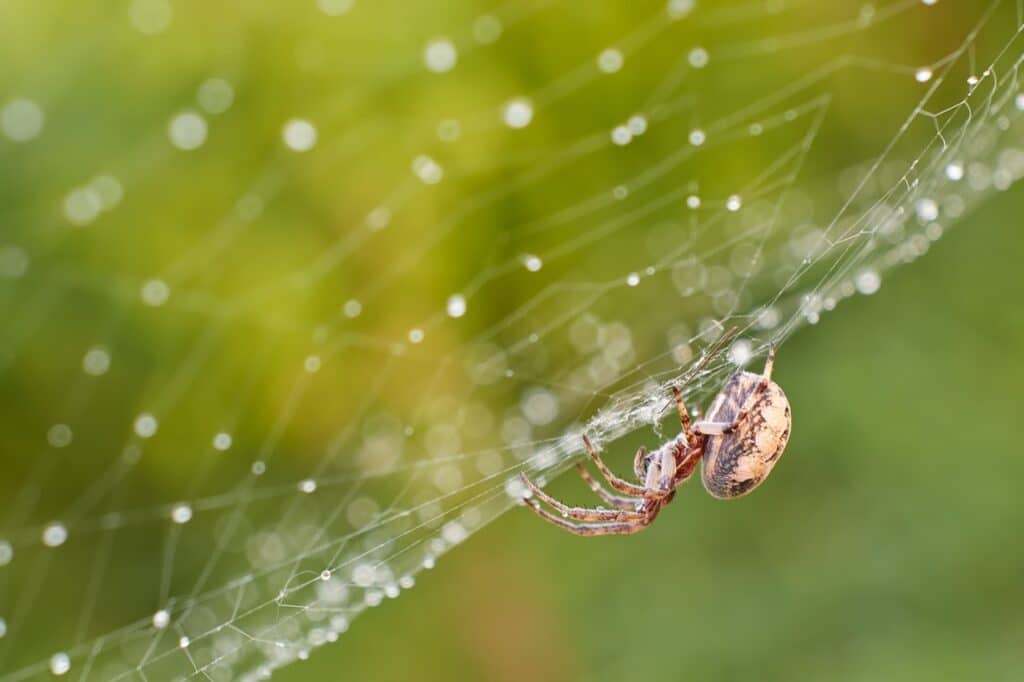
Western Spotted Orbweaver: Also known as the zig-zag spider, this species is admired for the intricate patterns on its web. The Western Spotted Orbweaver is easily identifiable by its black-and-white patterned abdomen.
Desert Tarantula: A species that evokes both awe and fear, the Desert Tarantula makes its home in the arid regions around Salt Lake City. These gentle giants are often misunderstood and are less dangerous than they appear.
Hobo Spider: Commonly found in homes and gardens, the Hobo Spider is known for its funnel-shaped webs. They are often mistaken for more dangerous species but are generally harmless to humans.
Brown Recluse Spider: While not native to Utah, the Brown Recluse Spider has been spotted in Salt Lake City. It’s important to be aware of this spider due to its venomous bite, which requires medical attention.
For residents and visitors alike, understanding these common spider species is key to appreciating their role in our environment. While most spiders in Salt Lake City are harmless and even beneficial by controlling insect populations, it’s always wise to keep a respectful distance from these eight-legged neighbors.
Spider Control in Salt Lake City
If you are seeing spider activity, call to request an inspection. We will review the visible activity, webs, related insect activity, access points, and property conditions, then explain the proposed treatment and monitoring plan.
How Long Can Spiders Live?
Spiders can live a lot longer than most other pests. In fact, common house spiders usually live for two or three years, or even up to seven in some cases.
The tarantula, which is uncommon in northern Utah but can be found in the area, can live for 20+years.
What Do Spiders Eat?
Spiders are known to eat a variety of foods. Web-building spiders commonly consume flying insects such as flies, mosquitoes, and moths, while other types may be found eating ants or wasps.
Why Do I Have Spiders in My House?
Spiders are tiny crawlers that can enter buildings through doors, windows, and air vents. They also get inside your home in spots where cables or pipes connect with small gaps around the area. Once they’re inside, they’ll build webs and lay eggs, which can quickly lead to an infestation.
How Do I Get Rid of Spiders in My House?
If you have recurring spiders in the house, an inspection can identify active areas, webs, access points, and the insect activity that provides food. The treatment and prevention plan should follow those findings.
Which Spiders in Utah Are Dangerous?
The two most dangerous spiders in Utah are the Black Widow and Brown Recluse spiders. Both are common in northern Utah, and both have extremely dangerous bites that can be fatal.


Inspection and Treatment
Service Process
Inspection-Led Pest Control
Follow-up recommendations depend on the pest, activity level, property conditions, and service plan discussed with the customer.
Call us to discuss the property, current pest activity, and the next inspection or treatment step.