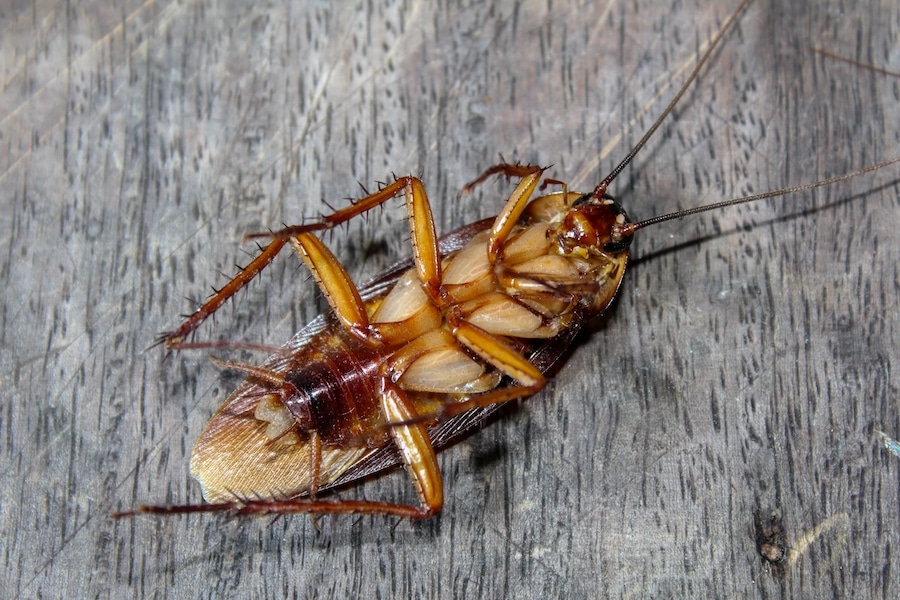
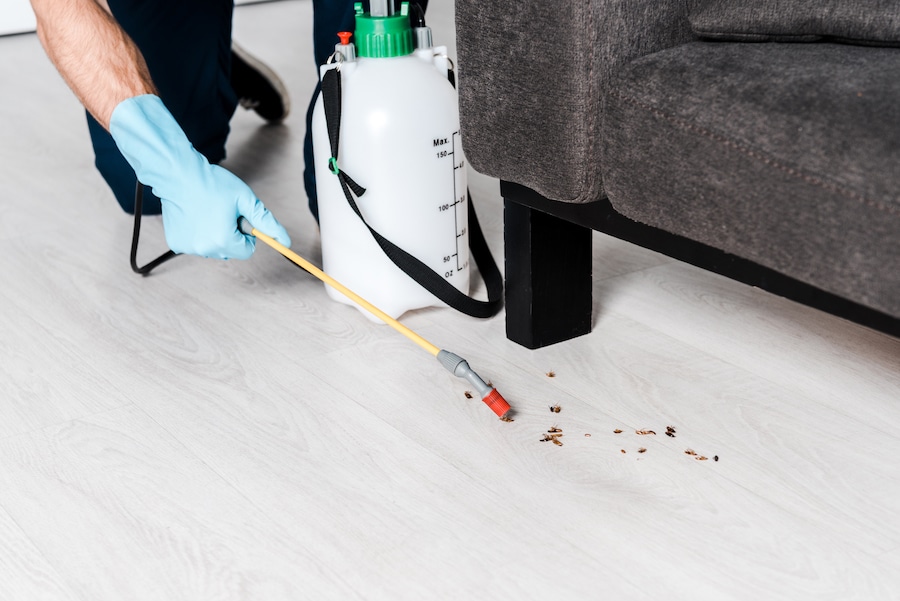
Cockroach Exterminator in Salt Lake City, UT
Inspection-Led Cockroach Control Services
Cockroach Control Starts With Identification
Cockroach removal is not a one-method job. Utah State University Extension documents several pest cockroach species in Utah and explains that the species found in a building affects the control strategy. An inspection therefore starts with the insect, the areas where activity appears, and the food, water, shelter, and movement routes available at the property.
The service plan can then match monitoring, sanitation or repair recommendations, and targeted treatment to the evidence found. Review the Utah State University Extension cockroach guide for the source behind this approach.
Not sure what you found? Compare cockroaches and insects commonly called water bugs, or learn why repeat cockroach activity can be difficult to control. For broader household pest concerns, start with Salt Lake City pest control.
Inspection, Treatment Planning, and Prevention
Inspection and Treatment
Inspection-Led Service
Why Identification and Monitoring Matter
Utah State University Extension notes that cockroaches can carry human pathogens and are a source of allergens. The practical response is to identify the species, document where activity occurs, and reduce the conditions that support it rather than make assumptions from a single sighting.
Read more about cockroach activity and property concerns. Anyone with symptoms or a medical concern should seek guidance from a qualified health professional.
- Contamination Evidence
Droppings, shed skins, egg cases, and sightings near food or preparation areas help an inspector document activity and decide where monitoring should focus.
- Asthma and Allergies
Cockroach debris can act as an allergen for some people. Control recommendations should address the active pest problem and the food, water, shelter, and access conditions found during inspection.
Our 3-Step Roach Extermination Process
Cockroach Inspection
Cockroaches can hide in kitchens, bathrooms, utility areas, storage spaces, cracks, and other protected locations. Inspection helps identify visible activity and the food, water, shelter, and access conditions related to it.
During the inspection, we may:
- Identify the cockroach species when possible.
- Review active and likely harborage areas related to the reported activity.
- Look for access points and contributing conditions inside and outside the property.
We use those findings to explain the proposed treatment, sanitation, monitoring, and prevention steps.
Cockroach Treatment Planning
The proposed treatment is based on species, activity, harborage areas, food and moisture conditions, and access around the property.
- Targeted control: Treat areas included in the inspection-based scope.
- Property recommendations: Discuss sanitation, storage, moisture, and entry conditions.
- Monitoring: Explain signs to watch for and whether another service step is recommended.
Cockroach Prevention Recommendations
Prevention recommendations focus on the food, water, shelter, and access conditions observed at the property.
Depending on the findings, recommendations may include:
- Sealing gaps around pipes, drains, windows, and doors.
- Correcting leaks and standing water around appliances or pipes.
- Improving food, pet food, waste, and storage practices.
Cockroaches in Salt Lake City, UT
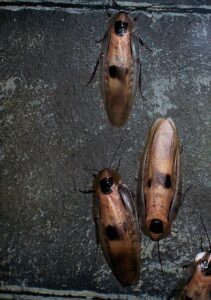
Cockroaches are nearly everywhere — including Salt Lake City, Utah. Renowned for its picturesque landscapes and historical landmarks like Temple Square and the Natural History Museum of Utah, also faces the challenge of pest control, particularly with its various cockroach species. These include:
- German Cockroach
- American Cockroach
- Oriental Cockroach
- Brown-Banded Cockroach
All of the above cockroaches prefer to hide in dark places with access to ample food. For cockroaches, though, food means just about anything. Some will eat leftovers from the garbage while others will eat book bindings and other paper products. They also favor moist areas with lots of water over dry spots.
Usually, Salt Lake residents find cockroaches in bathrooms and kitchens hiding in or around pipes. They can also be in garages, basements or even crawl spaces around the home.

Professional Cockroach Control in Salt Lake County
Get cockroaches out of your home today. Call us to get a quote and take back your home from these nasty pests.
What signs does a cockroach inspection look for?
An inspection looks for reported sightings, droppings, shed skins, egg cases, activity near food or moisture, likely harborage areas, and routes into or through the building. The combination of signs helps narrow where monitoring or treatment should focus.
Why does cockroach species identification matter?
Cockroach species differ in where they hide, how they move through a building, and which monitoring and control methods fit the situation. Identification helps the service plan respond to the activity found instead of treating every sighting the same way.
What conditions can support cockroach activity?
Accessible food, water, shelter, and movement routes can support cockroach activity. Inspection findings may lead to recommendations for food storage, waste handling, leak repair, clutter reduction, sealing, monitoring, or targeted treatment.
How can cockroaches enter or move through a building?
Possible routes include gaps near doors, windows, pipes, drains, utility openings, or shared walls. Cockroaches can also be carried in with boxes, luggage, appliances, or used furniture. The likely route depends on the species and the building, so an inspection connects entry clues with activity inside.
How can I compare a cockroach with a water bug?
“Water bug” is a common name used for different insects, so appearance and location both matter. Use our cockroaches versus water bugs guide to compare common clues, then request identification when the insect is not clear.
Inspection and Treatment
Service Process
Inspection-Led Pest Control
Follow-up recommendations depend on the pest, activity level, property conditions, and service plan discussed with the customer.
Call us to discuss the property, current pest activity, and the next inspection or treatment step.